5 Ways VR Works for Health Care
In the last century, technology and health care have progressed hand in hand, giving us a world with new possibilities and real hope for millions of people. So, at Stambol, working with leaders in medical disciplines is a growing priority for us. And we want all our readers to get a detailed sense of just what Virtual Reality and other immersive technology can offer the health care world.
1. Training Surgeons
Since we began to study our own anatomy thousands of years ago, the biggest challenge was access to a human body. Finally, VR can replicate a human body down to the smallest blood vessel, making this knowledge much more widely accessible. VR training can also walk students through a procedure in life-like detail.
2. Facilitating Surgery
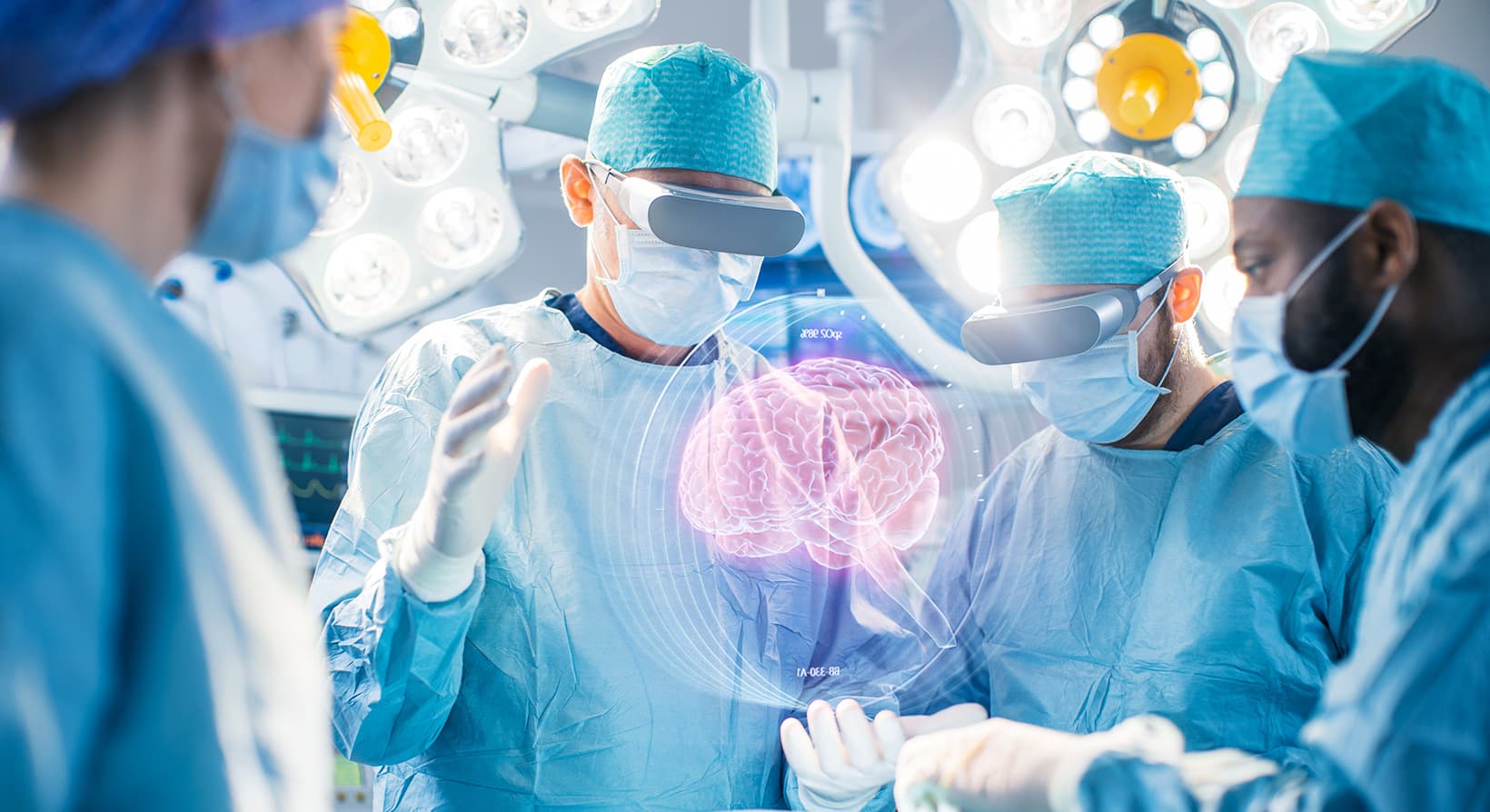
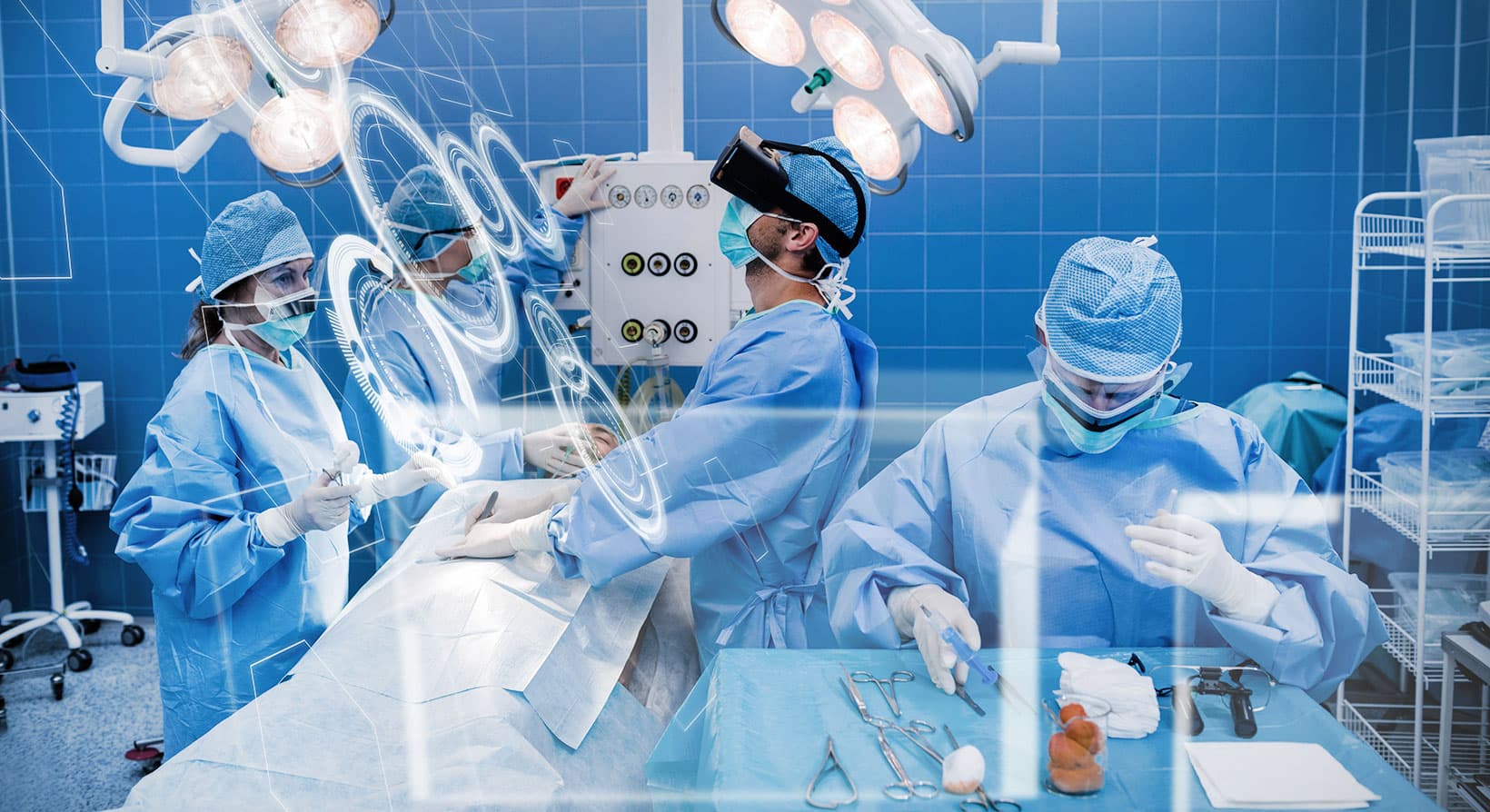
The addition of miniature cameras to the operating room was a huge leap forward in surgical technology. VR and AR are the next leap, as illustrated in the concept art above. Projected imagery, data overlay, and total immersion can all enhance the skills of even the most talented surgeon.
3. Assisting with Diagnostics
Merging imaging technology with Augmented Reality is another exciting development. The result provides a way for both health care providers and patients to get a clearer understanding of exactly what’s going on for many conditions.
4. Facilitating Consultations
Specialists are difficult to reach under the best of circumstances. If the expert you need is far away, add travel expense and time to the cost and wait for your consultation. VR removes both barriers, putting patients in the same room as any specialist in the world.
5. Assisting with Rehabilitation
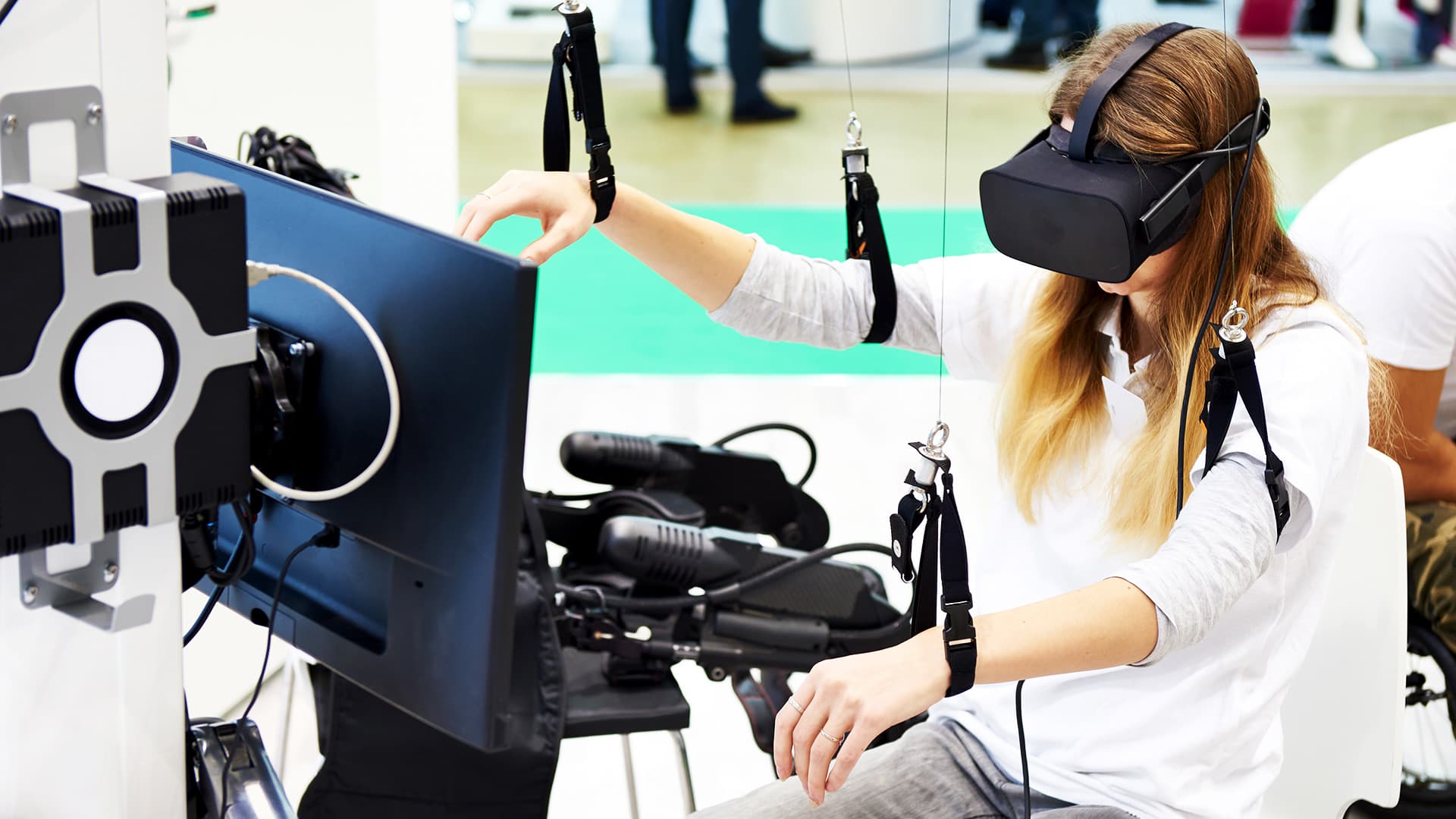
We are very encouraged by the effectiveness of combining immersive technology with both physiotherapy and psychotherapy. The human subconscious has been shown to respond favourably to treatment that looks and feels real, even if the rational mind knows the images are simulated. This brings costs down considerably and makes treatments available to anyone, anywhere.
Although these are general observations, they have very real and practical applications. Picture a world-class child oncologist consulting with a remote family via little more than a VR headset on their side. Imagine a soldier using VR to recoup mentally and physically from an injury sustained in war. We could give many more examples, but we know your imagination can take it from here.
Reach out to Stambol with any questions about how the technology above can enhance your work, now and in the years to come.
Photo Credit: vectorfusionart / Adobe Stock